
A Ground Mounting Structure is the preferred choice for large-scale solar installations (farms, industries, or large villas) where roof space is limited or the roof is not structurally suitable.
1


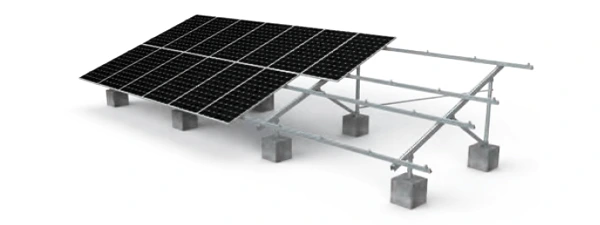
A Ground Mounting Structure is the preferred choice for large-scale solar installations (farms, industries, or large villas) where roof space is limited or the roof is not structurally suitable.
1
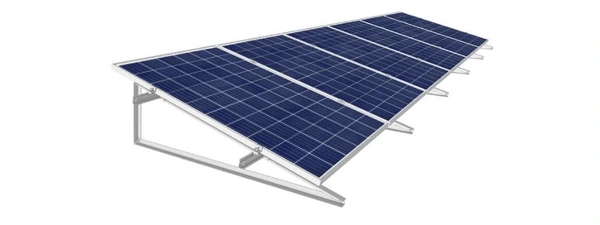
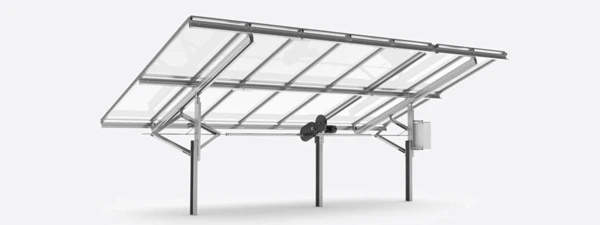
A Ground Mounting Structure is a heavy-duty racking system designed for open-land solar installations, typically preferred when rooftop space is limited or when building a large-scale solar farm. Unlike rooftop mounts, ground structures are engineered for maximum stability against wind uplift and are usually constructed from Hot-Dip Galvanized (HDG) Steel (minimum 12–14 gauge) or high-grade Aluminum alloys to ensure a 25-year rust-free lifespan. These systems are anchored using various foundation types—most commonly Concrete Piers for permanent stability, Ground Screws (Helical Piles) for quick installation in varied soils, or Pile-Driven posts for utility-scale projects. In the Pakistani market, ground mounts are often configured in L2 or L3 rows (2 or 3 panels high) at a fixed tilt of 18° to 33° facing True South, with a required ground clearance of at least 1.5 to 2 feet to prevent shading from vegetation and debris. Because they face higher wind loads than roof-level systems, professional ground mounts are designed to withstand velocities of up to 150 km/h, often incorporating cross-bracing and heavy-duty C-channels to provide a rigid, maintenance-free foundation for high-wattage bifacial or monocrystalline panels.
There are no reviews yet.